Policy & Practice
Foster Success is dedicated to making sure older foster youth voices are prioritized in policy work at both the state and federal levels.
Young people with foster care experience can influence legislation and drive meaningful change through stories of their lived experience. Through our policy and research efforts, we work closely with the same teens and young adults involved in our programs, focusing on the future — both theirs and the organization’s — aiming to transform the systems they have grown up in and will continue to navigate.


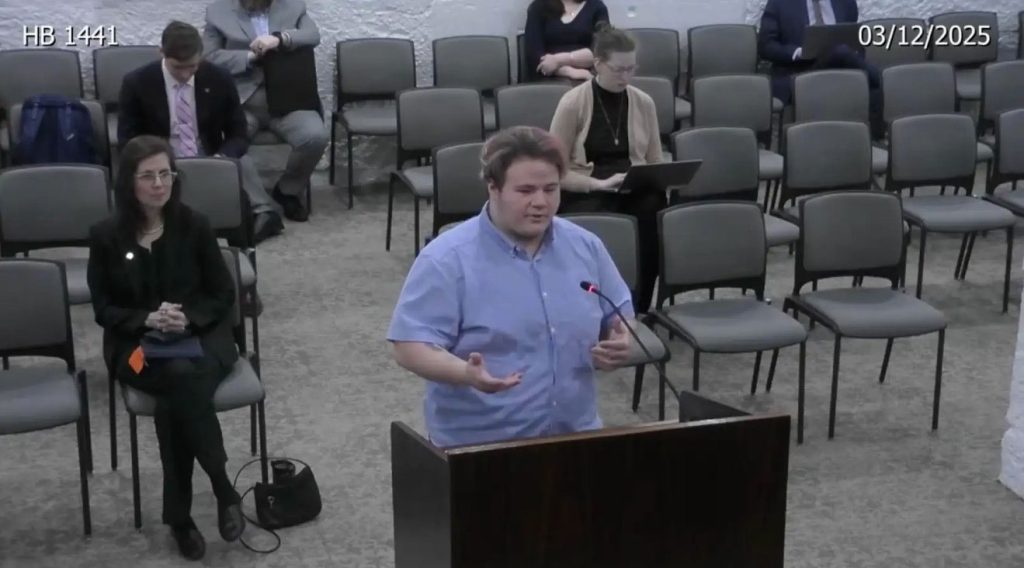

Foster Success participant Rowan bravely shared his lived experience with Indiana Rep. Chris Campbell, paving the way for young people in foster care to build stronger, more stable financial futures.
Rowan shared with Rep. Campbell the challenges he faced when trying to remove his foster parents from his bank account when he turned 18. Many young people do not have a consistent, trusted adult to open a bank account with, forcing them to rely on less secure ways of managing money, he said. His story inspired HEA 1441, which allows 16- and 17-year-olds in Indiana to independently open checking and savings accounts. The Indiana General Assembly unanimously passed the bill, which went into effect in July.
Another legislative win, HEA 1099, broadened access to the Insuring Foster Youth Trust Fund, enhancing support for young people in obtaining their driver’s license and auto insurance — vital pieces in their journey toward independence and the chance to pursue education and jobs.
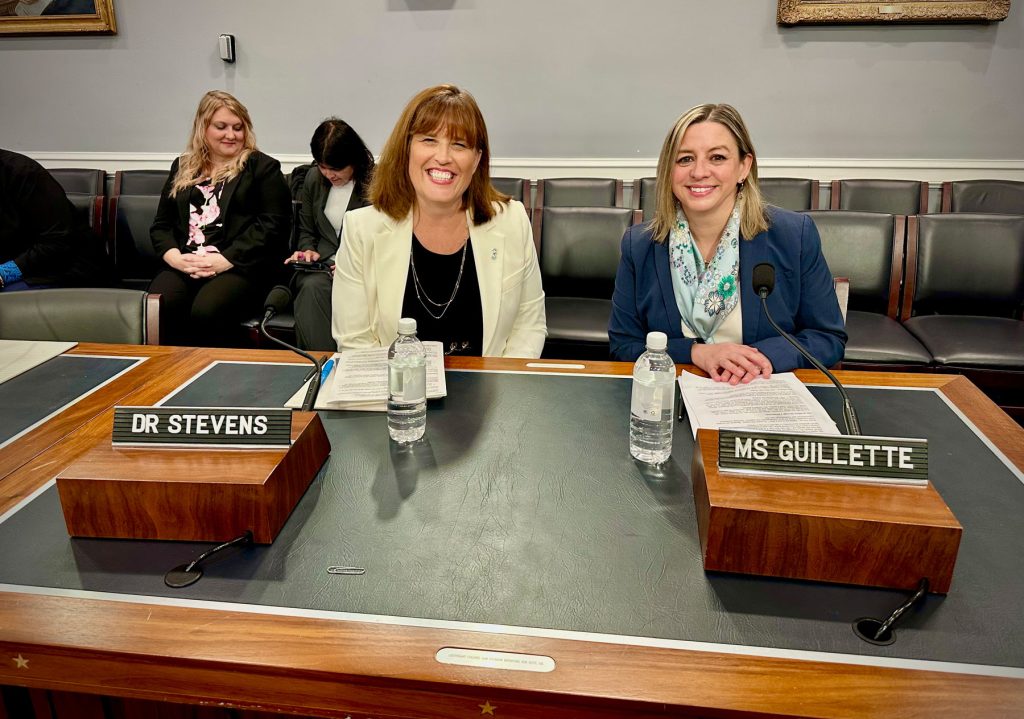
Foster Success also elevated the needs of foster youth at the national level. In June, President & CEO Dr. Maggie Stevens provided expert testimony before the U.S. House of Representatives Committee on Ways and Means, Subcommittee on Work and Welfare during a hearing titled, “Aging Out is Not a Plan: Reimagining Futures for Foster Youth.”
Maggie highlighted the importance of modernizing the John H. Chafee Foster Care Program for Successful Transition to Adulthood (“Chafee”), which funds critical programs Foster Success administers, such as the Education and Training Voucher (ETV) and Opportunity Passport®, a nationally recognized financial literacy curriculum.
Maggie’s powerful testimony shared data that highlights our mission at work – including how more than 30% of Indiana students who participated in the ETV program completed a postsecondary credential, compared to recent studies that show only 8 – 12% of young people who age out of foster care will complete a postsecondary credential.
Her testimony also included personal stories like James’. When James was a freshman, he was excited to begin his college journey, but he had no one to guide him through navigating the complicated systems of higher ed. He reached out to Foster Success to learn more about the financial aid process.
With support from Foster Success’s Education and Training Voucher (ETV) program, James was able to work with his Foster Success coach to understand where the gaps of his understanding were. Together, they worked to ensure James better understood the process and come up with clear, concise questions. Equipped with the knowledge and confidence he needed, he went to his financial aid office to advocate for himself.
With his new understanding of financial aid, he connected his younger sister to Foster Success and the ETV program — supporting her throughout the process and providing guidance so she could avoid the delays and misunderstandings of financial aid that he had. Today, James and his sister are pursuing their degrees.
For many young people like James, support throughout their educational journey is more than just financial support — it’s giving them the tools and knowledge they need to become independent. It empowers young people with lived experience in foster care to break through systemic barriers and create a stable, fulfilling future.
